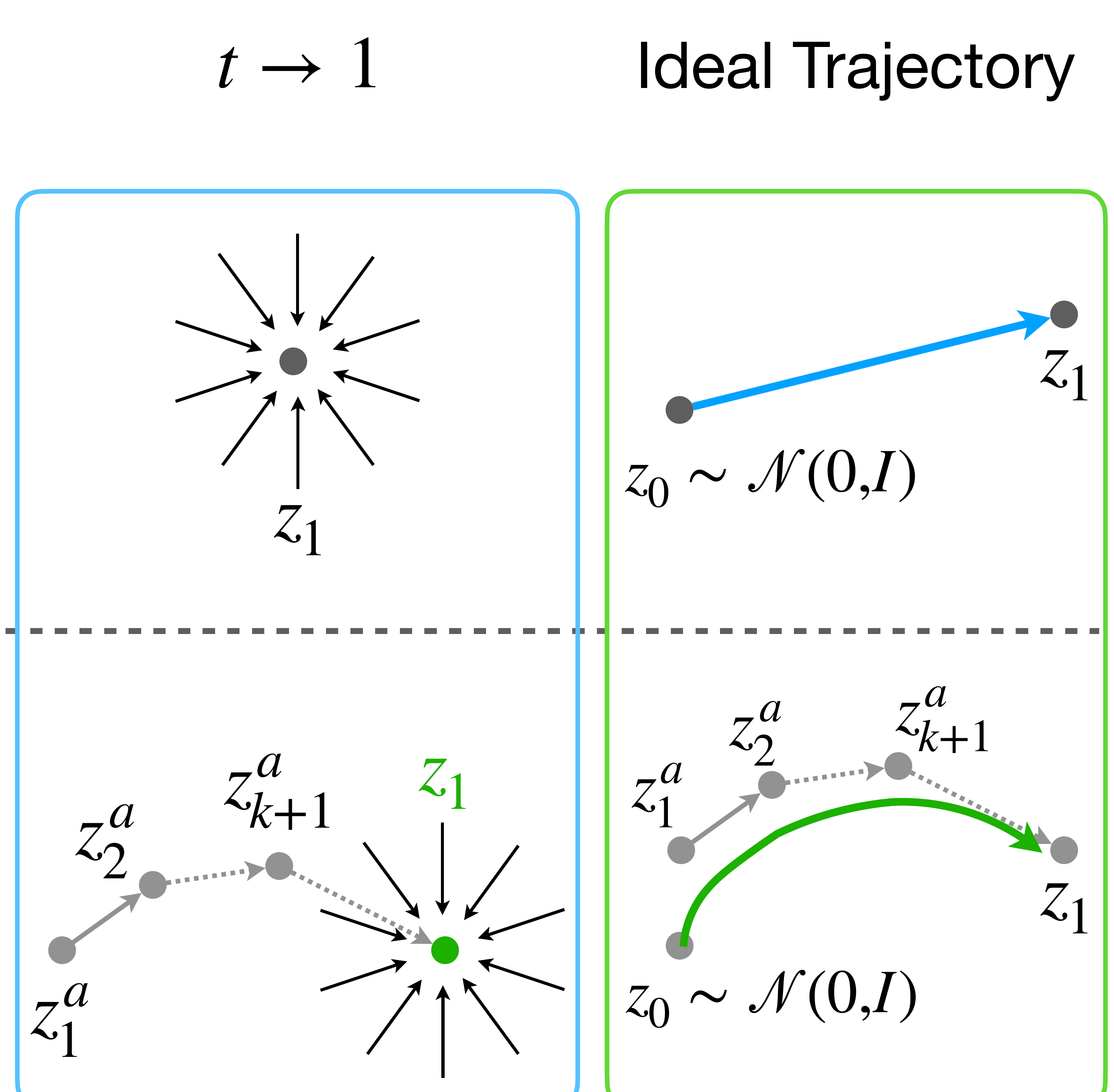
Flow matching for reasoning: learning continuous trajectories from chain of thought
How can flow matching learn to reason from intermediate steps?
ReasonFlow · Continuous latent reasoning · Intermediate supervision · Chain of thought
I develop learning methods that use reasoning steps and experimental evidence, and study how molecular structure and environment shape chemical reactivity. These guides pair my papers with work by colleagues from MIT, NYU, Meta FAIR, and the wider field. Each starts with a question, from how flow matching can learn from worked solutions to which experiment supports a claim about a catalyst.
How can flow matching learn to reason from intermediate steps?
ReasonFlow · Continuous latent reasoning · Intermediate supervision · Chain of thought

How do molecular notation and reasoning steps affect chemical predictions?
SMILES and IUPAC consistency · Chain-of-thought supervision · Flow matching
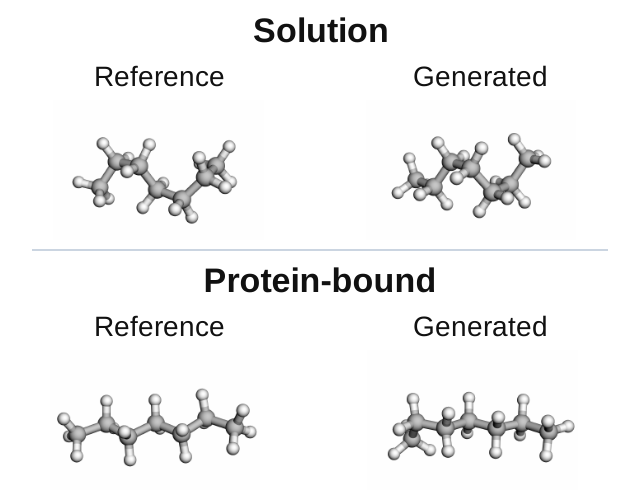
How does a molecule's 3D shape change between vacuum, water, a protein pocket and a crystal?
EVA-Flow · Protein-bound conformers · Energy-based sampling
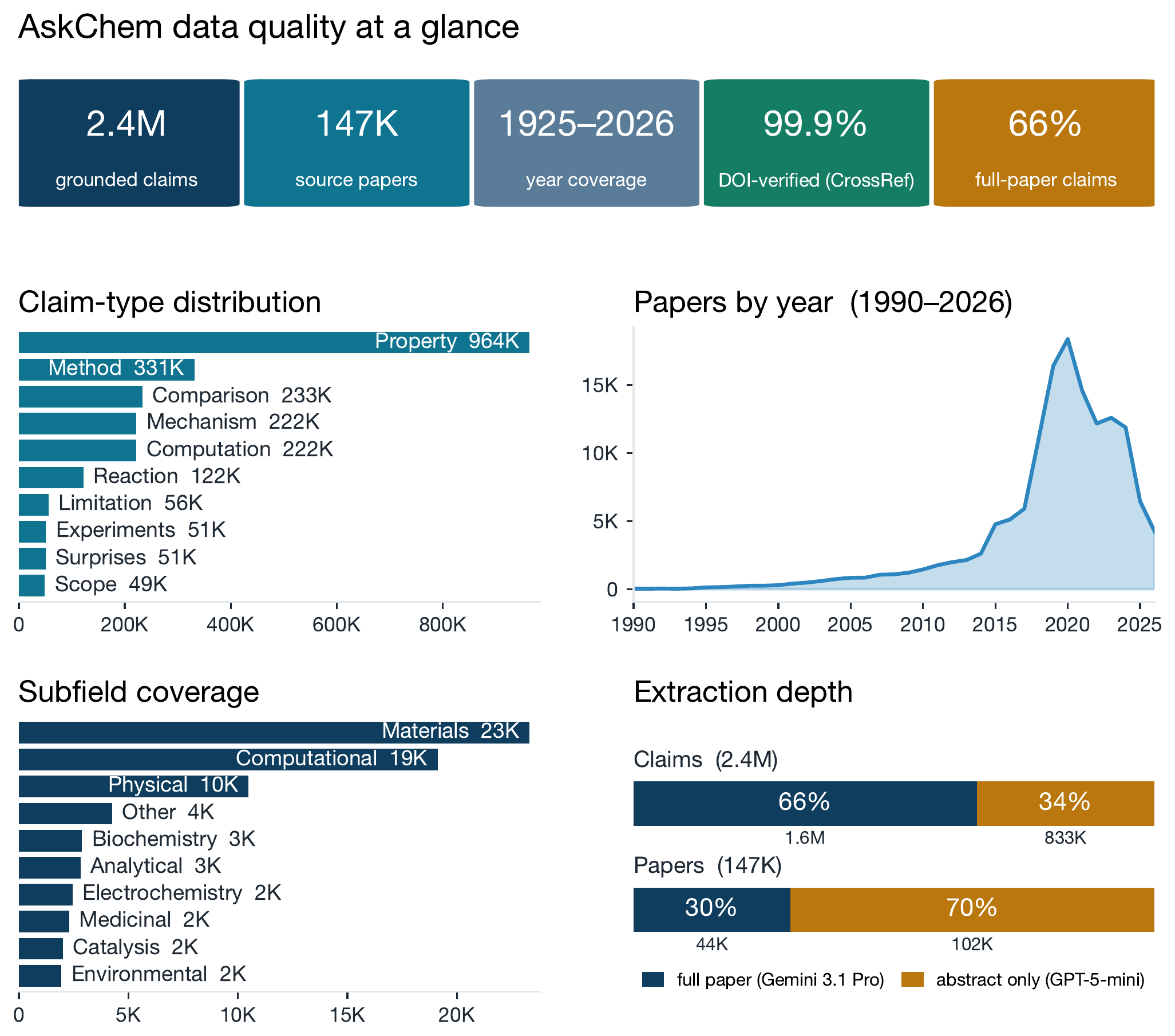
Which experiment supports a claim in the chemistry literature?
AskChem · Citation recommendation · Chemical data extraction

How can we distinguish catalytic mechanisms that fit the same kinetic data?
SPARK research project · Tafel analysis and thermal CO oxidation · CatScore for catalyst selectivity
How do we measure active surfaces and control bond activation in electrocatalysis?
Electrochemical surface area · Nickel sulfide oxygen reduction · Membrane-free fuel cells · Mediated C–C bond cleavage
The bibliography includes papers discussed across all 6 guides.